Mac Miller Performs New Album's First Single "100 Grandkids" by Alex Young

Mac Miller divulged to Twitter on July 30, 2015 his third studio album was finally complete after scrapping nine albums and pushing through two and a half years of hard work. His first project on new label Warner Bros. has no release date yet, but the record's first single has surfaced. August 1st at Grass Roots Music Festival in Omaha, NE Mac played "100 Grandkids" for the crowd. The new sounds hit, the track will be a welcome site when CD Quality hits Internet waves. Stay tuned for updates on Mac's new album and watch him perform "100 Grandkids" below.

Update 8/10/15: The YouTube Video has been deleted, and this weekend Mac Miller officially released the track as well as tour dates for Good A.M.

Jaden Smith Freestyles We are All Individuals on Soulection Radio Show by Alex Young

The beauty of Apple Music lies in the nooks and crannies of the streaming service. For instance, artists' Connect profiles, essentially Apple's exclusive social networking platform. Or the diverse offering of curated radio shows. Along with the likes of OVOSound and Dr. Dre's The Pharmacy, Soulection-- a Los Angeles collective of producers and DJs like Sángo and esta-- hosts a set every Saturday featuring The Sound of Tomorrow. Progressive, introspective, and fluid vibes describe Soulection so support by Jaden Smith is not unexpected. But, certainly welcome after recently expounding upon his "misfit" movement, calling it individualism fused with collaborative spirit. He stopped by Joe Kay's Soulection show on Beats 1 over the weekend to deliver a freestyle over Mr. Carmack's "1994" instrumental; the song expands Jaden's message encouraging everyone to find themselves through self expression-- listen below.

InTheRough Gallery for Life's Goods by Alex Young

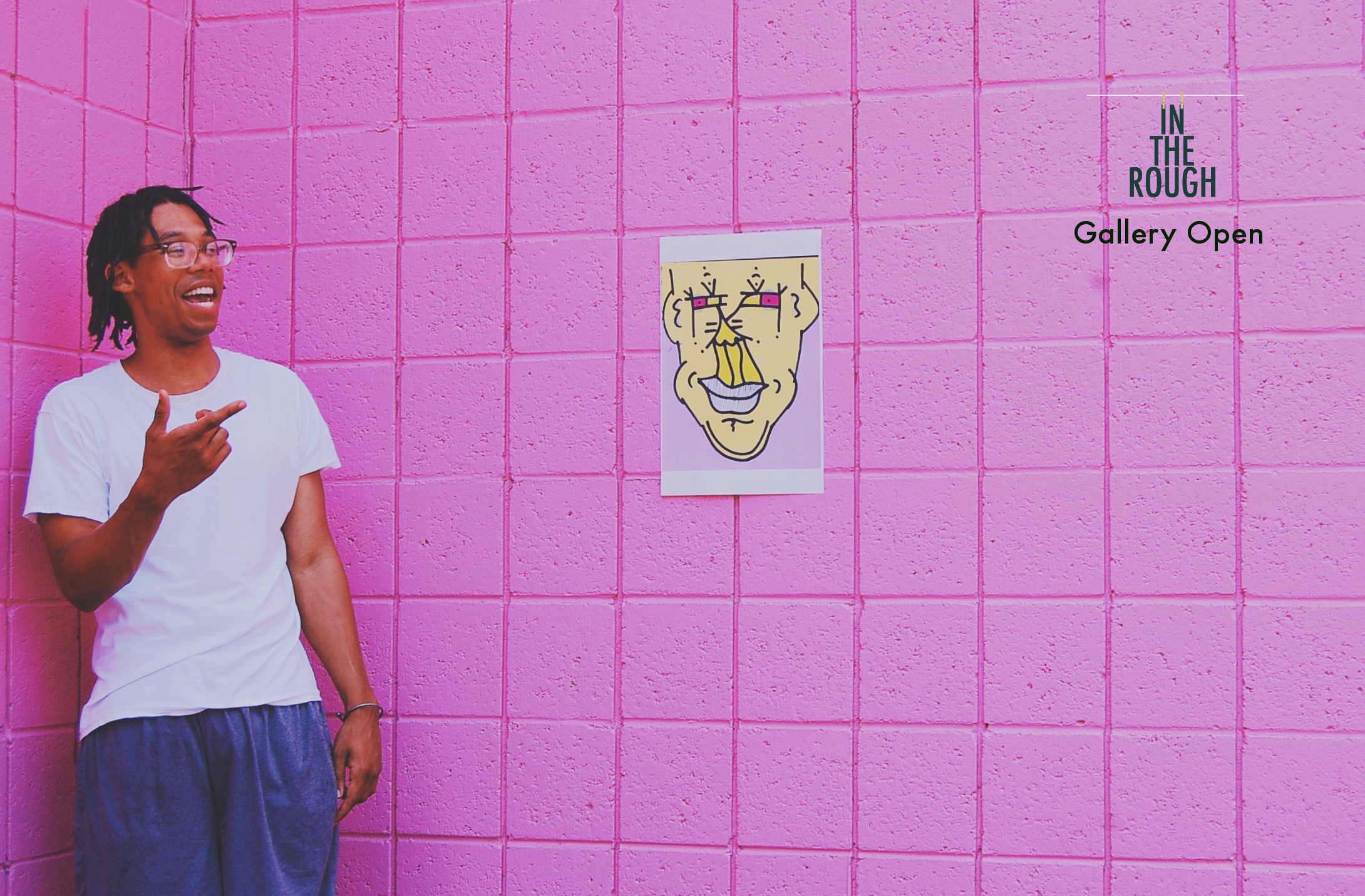
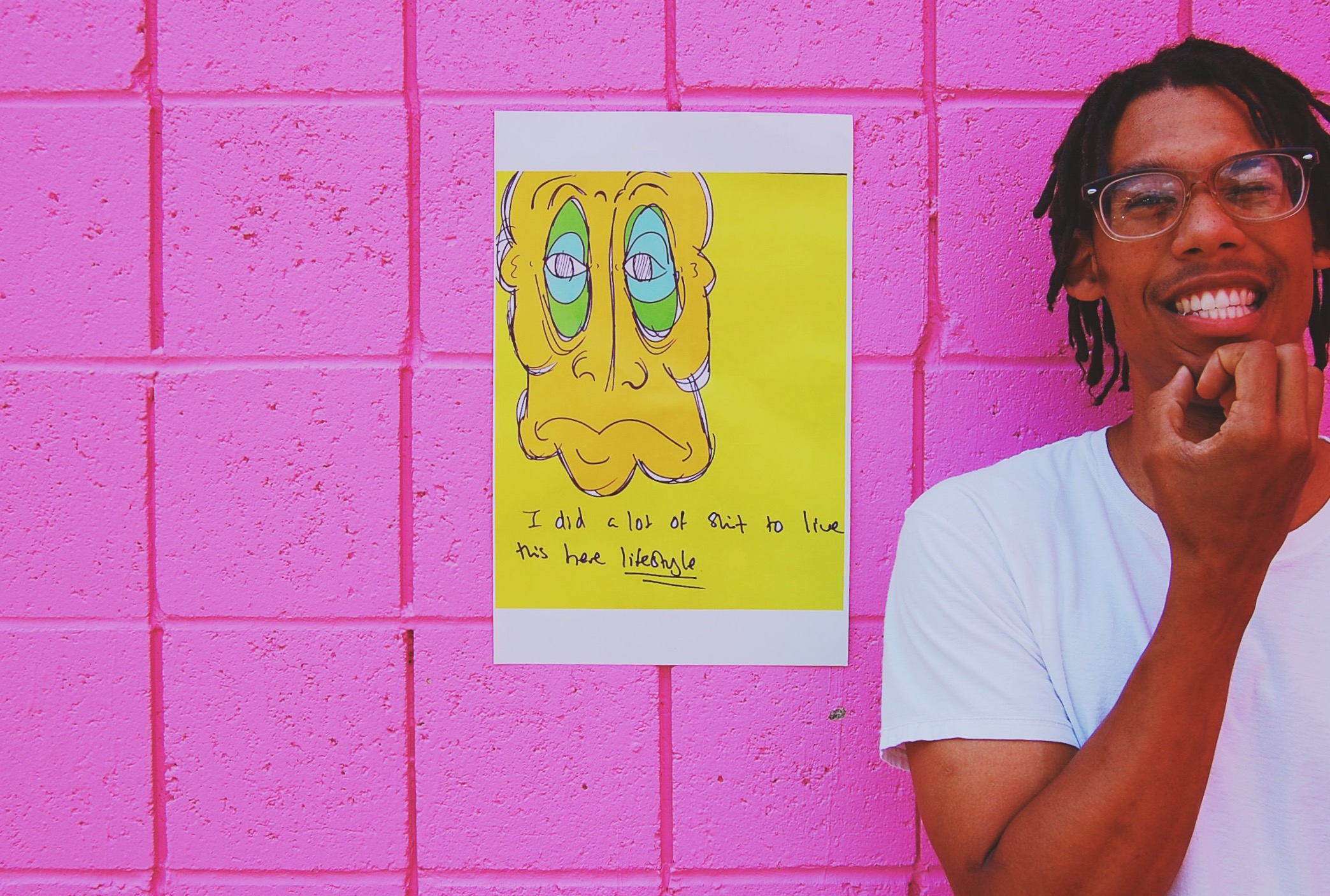
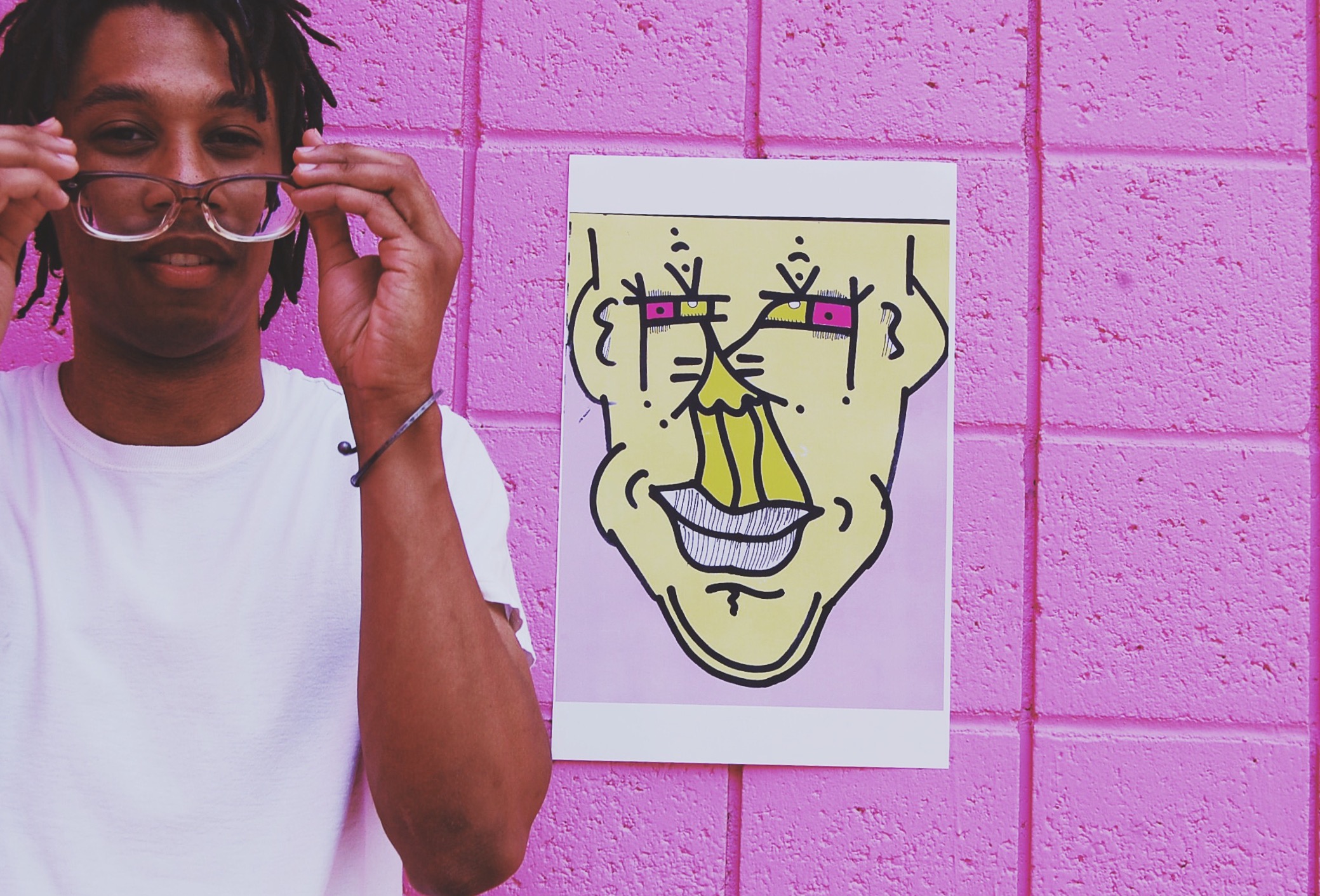
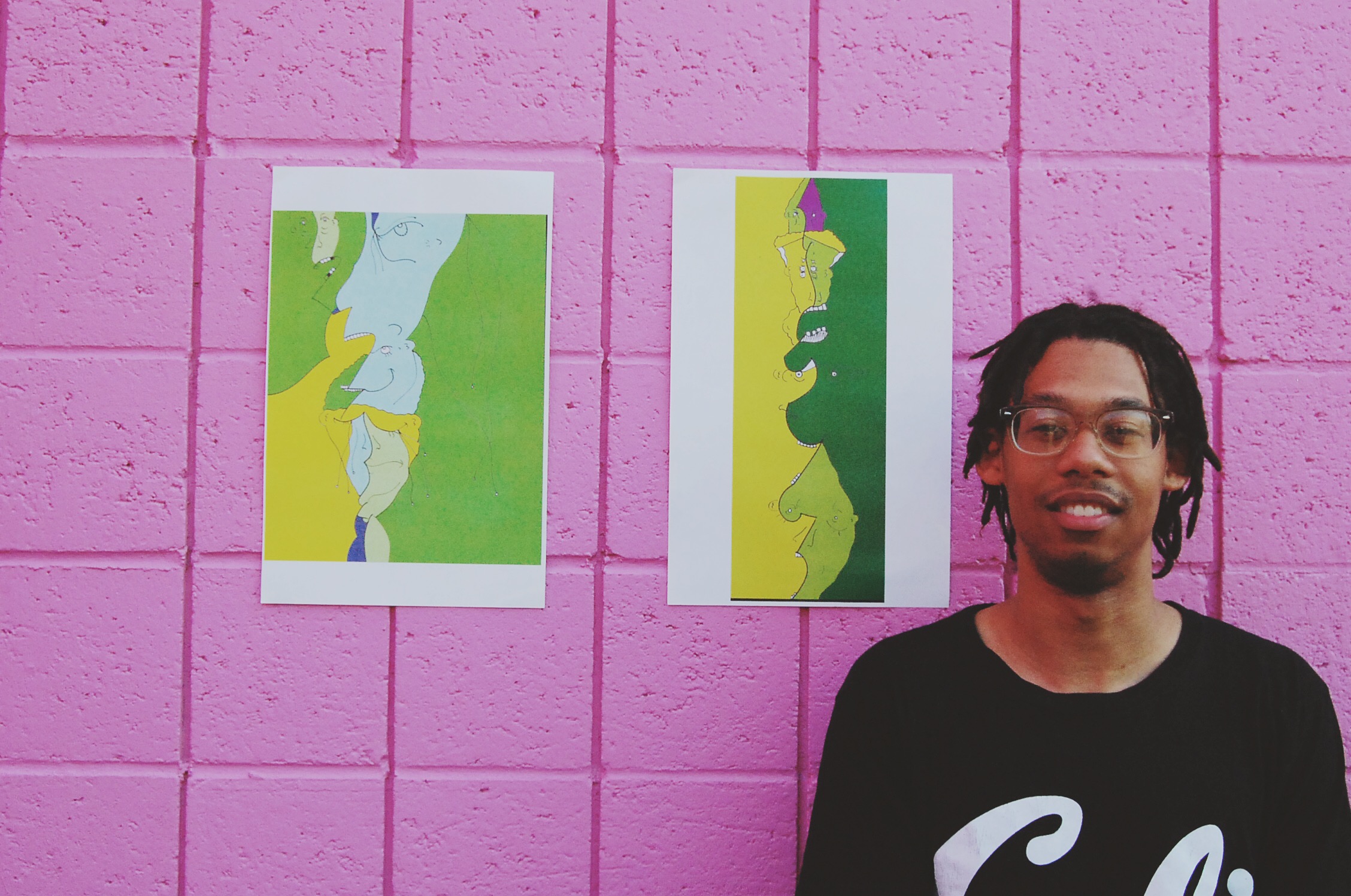
Today, InTheRough celebrates the opening of "Gallery"-- a space where consumers can browse and purchase selections of art. Gallery compliments ITR's "Life's Goods" and "Projects" pages because it offers tangible creations that comment on popular culture. The marketplace place houses work by multiple artists leaving endless possibilities to what specifically is and will be sold in the future. Gallery will open and close as InTheRough works to showcase new, unique products.

First to display in Gallery is Amani Davis of Kamili and Alex of InTheRough presenting a range of illustration and photography prints. Gallery's first exhibition comes on the cusp of Kamili, an art exhibition that re-purposed wood from torn down Pittsburgh neighborhoods. ITR's work with Amani and Hannibal Hopson now allows the opportunity for a space dedicated to the sale of art.

Amani comes to Gallery with colorful 11x17in illustration prints influenced by hip hop music's current atmosphere. The pieces recognize musicians' popularity as well as their rambunctious lifestyle. While Amani's pieces are pointed, there is an abstract quality that characterizes the illustrations, particularly in "Thuggin Noise".

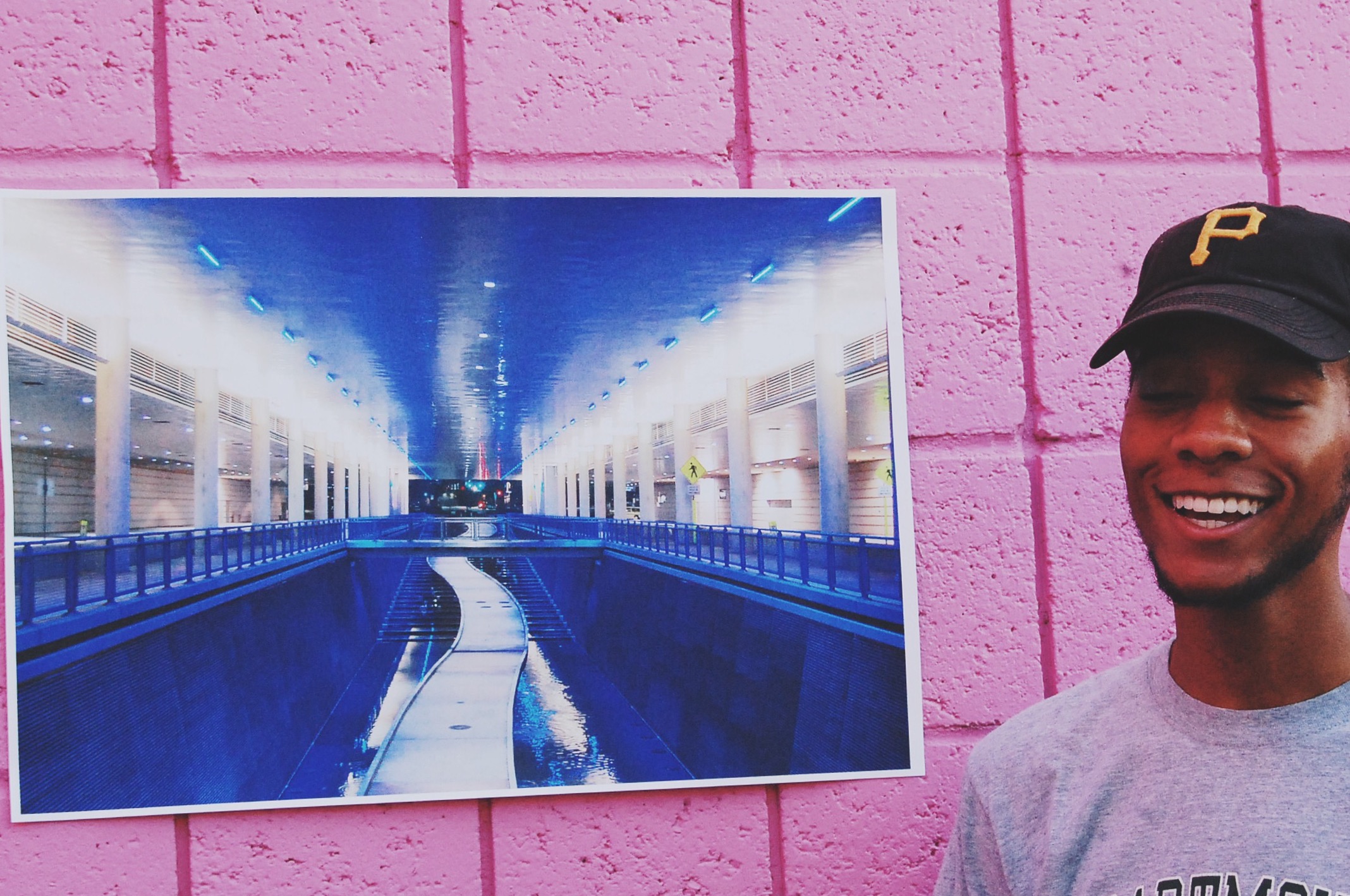
In documenting Life's Goods for InTheRough, Alex finds he has amassed many photographs of his Pittsburgh environment and images inviting to the eye. He adds an intriguing 16x20 photograph print capturing the city's David L. Lawrence Convention Center.

On July 25th Alex, Amani, and Hannibal took to Pittsburgh's Hamilton Ave where a building covered in pink served as the backdrop to show Gallery's pieces. The area's painted walls substituted for any basic white or black background, the physical gallery we crafted in the building's parking lot  serves as the visuals consumers will see in Gallery. Explore the exhibit here.

The Current Environment of Music Streaming by Alex Young

Illustration by Ryan Call

Illustration by Ryan Call

In the beginning, music was exclusive. Music was limited to the instrument players and makers, and the audience for which they performed. That intimacy didn’t disappear when technology took music out of the venue and into the stereo, but rather developed in tow with the way that we consume music today. When music became the currency for a lucrative entertainment industry for example, intimacy became quantity and convenience. Spotify, Tidal, and Apple Music along with other streaming services offer upwards of 30 million songs for affordable and manageable music libraries. In a way, that intimacy couldn’t be further removed. However, because the product is the same for each company, the leader becomes who packages it best.  These providers are in a unique position to bring back that intimacy between the artist and consumer, by not solely granting access to those 30 million, but by aiding the discovery of new music that is characterized by tastes and genres instead of sales and popularity. 

The first generation iPod was released on October 23, 2001. Rhapsody, the first streaming service, was released on December 3, 2001, and Spotify not soon thereafter in 2006. But before streaming could stake its claim back then, Digital Rights Management and the sale of individual songs prevailed. Music distributors used Digital Rights Management software to make sure that purchased files aren’t duplicated or shared. Apple turned away from DRM in 2007, along with much of the industry, because it was about as effective at preventing piracy as laws that “prevent” cannabis consumption. So, in a way, everyone decriminalized. Music was a bit easier to get your hands on, smartphones had the capacity to hold hundreds of hours of songs and counting, and artists were fueling it all with release after release. It was a perfect storm. The variables aligned and streaming took off. So when we look at the environment today, it’s no surprise that we see mega-companies like Apple or moguls like Jay-Z jumping on the bandwagon. 

Theoretically, streaming could foster the way we respect music as an art form, instead of as the inflated currency it is becoming. However, there are still many developments that need to be made to the model in order for it to grow into a sustainable and fair service for consumers and artists alike. Controversy and main motivation behind Tidal's service surrounds artists' rights to revenue from streaming. As more people turn to streaming and away from traditional music vendors, artists need more clear cut guidelines and rules that will allow them to continue practicing and mastering their craft. Taylor Swift wrote an open letter to Apple Music on June 21 describing she would be withholding her 1989 album from the streaming service on the count of Apple offering zero payment to rights owners during a three-month free trial. Her influence moved an Apple VP, Eddy Cue, to Tweet Swift the following day, "#Apple Music will pay artist for streaming, even during customer's free trial period" and brown-nosed saying, "When I woke up this morning and saw that Taylor had written, it really solidified the we needed a change." Credit 1989's $5 million worth in album sales punching Apple in the face. It is unfortunate the thought of losing Swift's suburban fanbase made Apple do the right thing. Music streaming has been unfair to artists since it revolutionized the industry. According to The Guardian, per stream signed artists receive 20%, distributors receive 25%, and the label receives 55% of the average $0.006 to $0.0084 payout from Spotify, compensating artists one-tenth of a percent per stream. Jay Z's Tidal birthed from a righteous idea of being the first artist-owned streaming company, offering the highest royalty payout to artists. A statement the company can stand behind, paying 75% of its $0.0072 royalty payout to artists. But, there is no sense talking numbers because at the end of the day streaming services exploit artists. Taylor Swift's actions spurred The-Dream, writer-producer of Grammy Award winning songs like "Single Ladies" and "No Church in the Wild", to honestly note the following about Taylor's action: 

If I took my records off of Spotify, it would affect the people who listen to my music for free and may not have the means otherwise. Taylor Swift fans probably have the means to go and buy a Taylor Swift record. [...] If you got a hit and you’re white, there are no limits to what you can do. If you’re black and you have a hit today but can’t do it again tomorrow, then your ass is out of here…We can’t say no to radio, we can’t say no to Spotify, and we can’t have a concert because nobody will come. And the whole time, everybody is taking from our culture to enhance the pop side of things...There are urban artists and then there are pop artists, and urban artists get things taken from them. We create the swag, and everybody knows it.
— http://www.billboard.com/articles/columns/the-juice/6605182/the-dream-artists-are-treated-like-slaves-music-business-contra-paris

The-Dream makes a very valid point, and as much as race isn't a part of streaming, it is. The financial means of consumers of different demographics directly correlates with which services they are using to purchase music, and therefore where and how much money is given back to the artist. However, streaming is in the middle of a policy overhaul that will support the artists. Apple music is on board because of Taylor, Tidal is on board because of Jay-Z. Times are changing, and will continue to do so as more pressure is put on these companies to put more money back into the artistry. 

Cameraman Nairobi Documents Steelers 2015 Training Camp by Alex Young

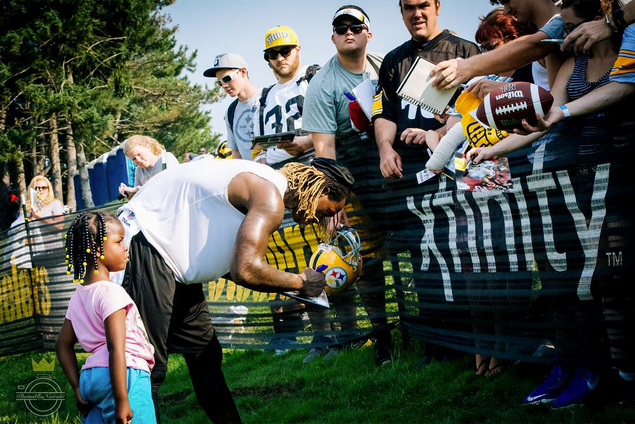
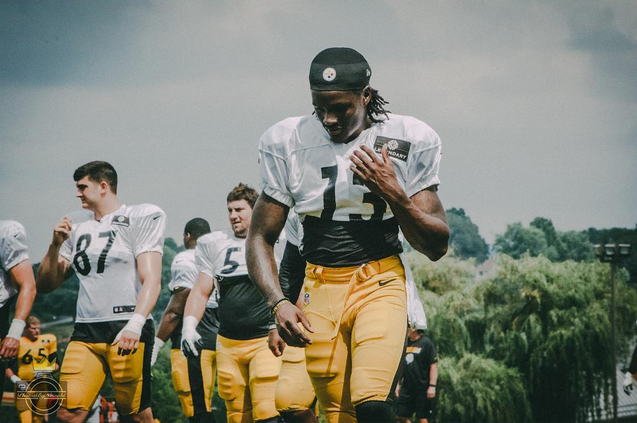
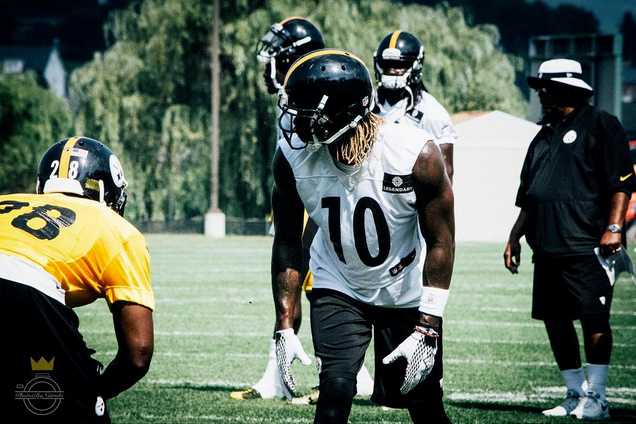
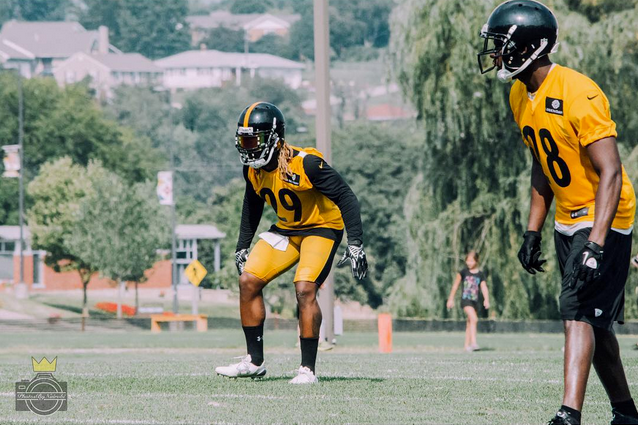
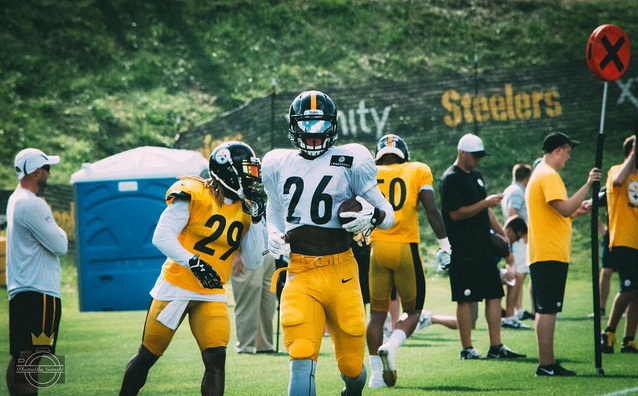
Football is a proud American tradition, the start of the 2015 NFL season is a welcome sight to almost all, and in Pittsburgh it is a return to normalcy. By now fans are just pulling their team's jersey out the closet, but Steelers fans have worn theirs all offseason, switching to their favorite Super Bowl t-shirt when the jersey needs in the washed. Black and Yellow runs through the city's core, so when whistles blew August 26, the first day of training camp, in Latrobe, PA best believe Steeler Nation was present in full support.

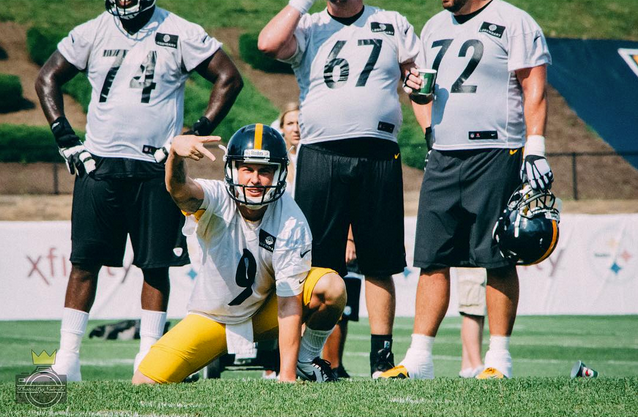
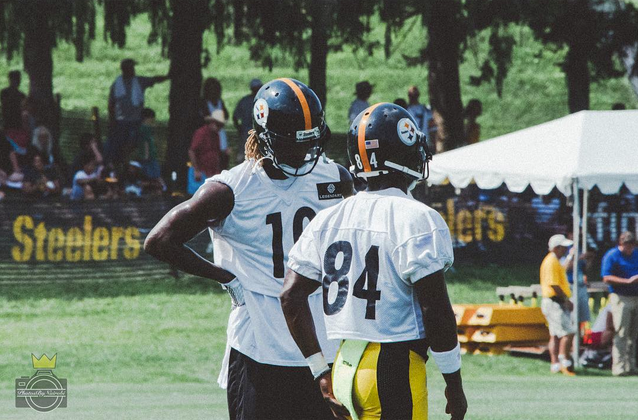
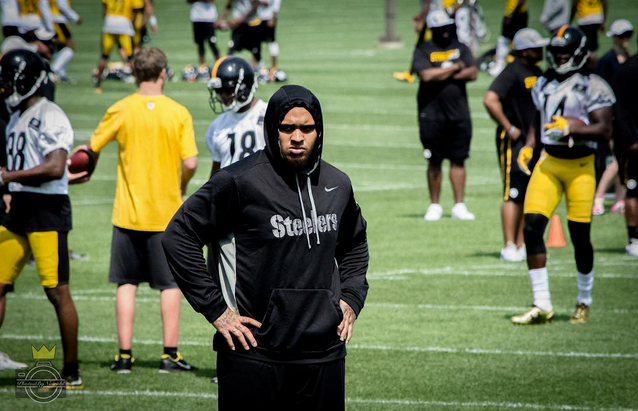
Amongst the crowd is Cameraman Nairobi, a native from Pittsburgh's McKeesport region. He observes the Steelers work to surpass an 11-5, AFC North Championship season, especially the early exit from the Playoffs by the Ravens. Training camp is interesting because the team is essentially a puzzle; each piece tinkered with or discarded so the fit results in a championship completion. Perched on the sideline Nairobi captures foreshadows of 2015 Steelers success while highlighting the rise of Martavis Bryant-- third year wide receiver. The Cameraman has tracked Bryant's progress throughout the offseason, which now has him playing alongside Pro Bowler Antonio Brown in an expanded role. Accompanying on-field action shots the photographer supplies great candids of players like punter Brad Wing. Follow Nairobi's coverage of Steelers 2015 training camp on his Instagram and check the team's developments during its first preseason game August 9 against the Vikings.